While self-care remains important, lasting wellbeing requires collective care, an approach that shifts responsibility from individuals to the communities and organizations they belong to. By creating supportive cultures, shared accountability, and healthier systems, collective care offers a more sustainable response to burnout and a stronger foundation for long-term impact.
Collective care at Daily Work is the thought that wellbeing is not solely a personal responsibility but a shared one. Staff, volunteers, and interns alike all work with Job seekers to create strong working relationships. Within our team, collaborative communication about the best routes for Job seekers is often a topic of conversation. When individuals experience chronic stress, exhaustion, or burnout, the cause is often rooted in larger systems rather than personal shortcomings. This perspective is especially important in helping professions, nonprofit organizations (like Daily Work!), and social justice movements. The collaborative approach to all case management is one of the most important aspects of our work as an organization.
Collective care shifts the focus from asking individuals to become more resilient to asking organizations to become more supportive. This can include creating healthy workloads, encouraging work-life balance, providing mental health resources, and fostering cultures where employees feel valued and heard. We at Daily Work are rooted in our values, born from a commitment to Social Justice and collective care. These ideas are reflected in our team's approach to giving its members a shared support system so that we, in turn, can give job seekers the best quality support we can provide to find quality work.
Another important aspect of collective care is the idea that rest is not a luxury but a necessity. In cultures that often celebrate constant productivity, taking time to rest can feel unproductive or even selfish. However, sustainable work requires sustainable people. When individuals are supported by their communities and organizations, they are better able to contribute over the long term.
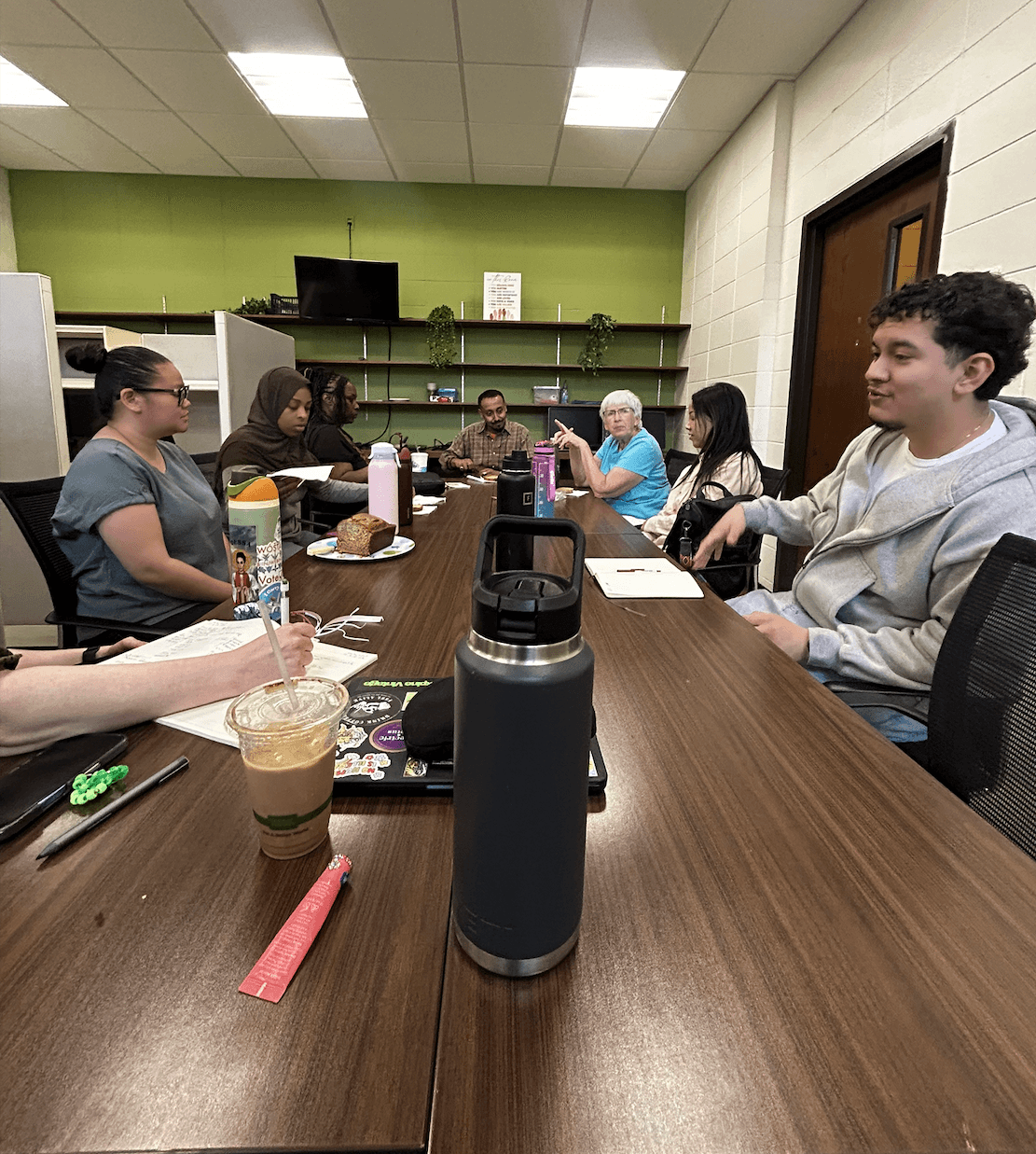
From the perspective of an intern, there is much interconnected support among the case management staff at Daily Work. Though my position at Daily Work doesn't have a direct connection with Job Seekers, I am able to reflect from a distance on how our organization supports collective care. Within our weekly group supervision, our team of interns and supervisors consult on cases brought to the team's table and discuss potential options not yet explored, so these ideas can be brought back to individual case management sessions. The case management team uses each other as support to sustain themselves in providing this support to our job seekers. Supervision, collaboration, and peer support help staff sustain themselves so they can continue providing high-quality support to job seekers.
For an organization like us at Daily Work in the social justice field to create lasting social change, it requires a team of people who are able to sustain themselves over the long haul.
While self-care is important, lasting wellbeing depends on supportive communities, healthy workplaces, and shared responsibility for one another's wellbeing.
Anij Curtis-Murawski is a Master of Social Work student at the University of Minnesota specializing in community practice. She supports Daily Work’s Prosperity Ready and TECI programs while helping strengthen community engagement efforts, bringing a macro-focused lens and a love of connection... whether through community work, fitness, or exploring new places to eat.